The Best Time for a Wedding in Japan
Japan is unusual among destination weddings because each of its four seasons is genuinely distinct – not in degree, but in kind.
The country in March is not a milder version of the country in October. They are different worlds. The light, the landscape, the colour, the atmosphere, the way the air feels – all of it transforms completely across the year. Which means the question of when to get married in Japan is not really about avoiding bad weather. It is about which version of the country you want to live inside on your wedding day.
There are four windows worth understanding. Each has its character. Each delivers something the others cannot.
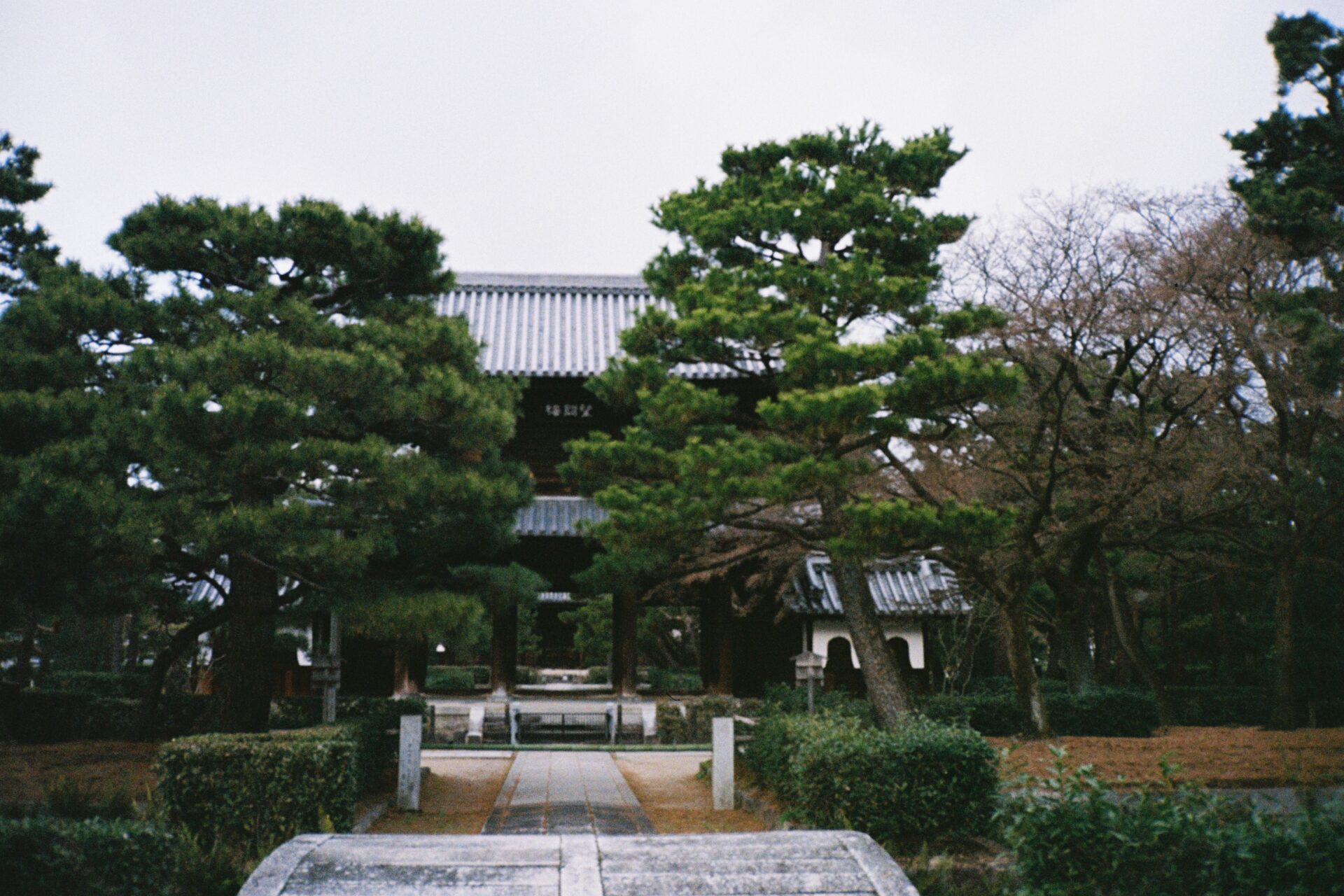
Spring: cherry blossom season (late March to early May)
This is the window most international couples imagine when they picture a Japan wedding.
The sakura – those iconic cherry blossoms – arrives in late March in the southern parts of the country and moves northward through April. For roughly two weeks in any given location, the entire landscape softens into pale pink. Streets, temples, gardens, riversides – everywhere you look, the trees are in bloom. Then, just as suddenly, it passes.
Spring weddings during this window carry a particular quality – delicate, brief, almost fragile. The Japanese themselves have a word for the appreciation of impermanence (mono no aware) and the sakura is its most visible expression. Couples drawn to this season often describe a feeling of catching something that cannot last.
The challenges are practical. The window is short. It varies year to year – early April is the most common peak in central Japan, though mid April pushes further north. The popular cities are extremely busy. Booking well in advance is essential, and even then, the timing of the bloom cannot be guaranteed.
Temperatures are mild. The light is soft. The country is at its most photographed for good reason.
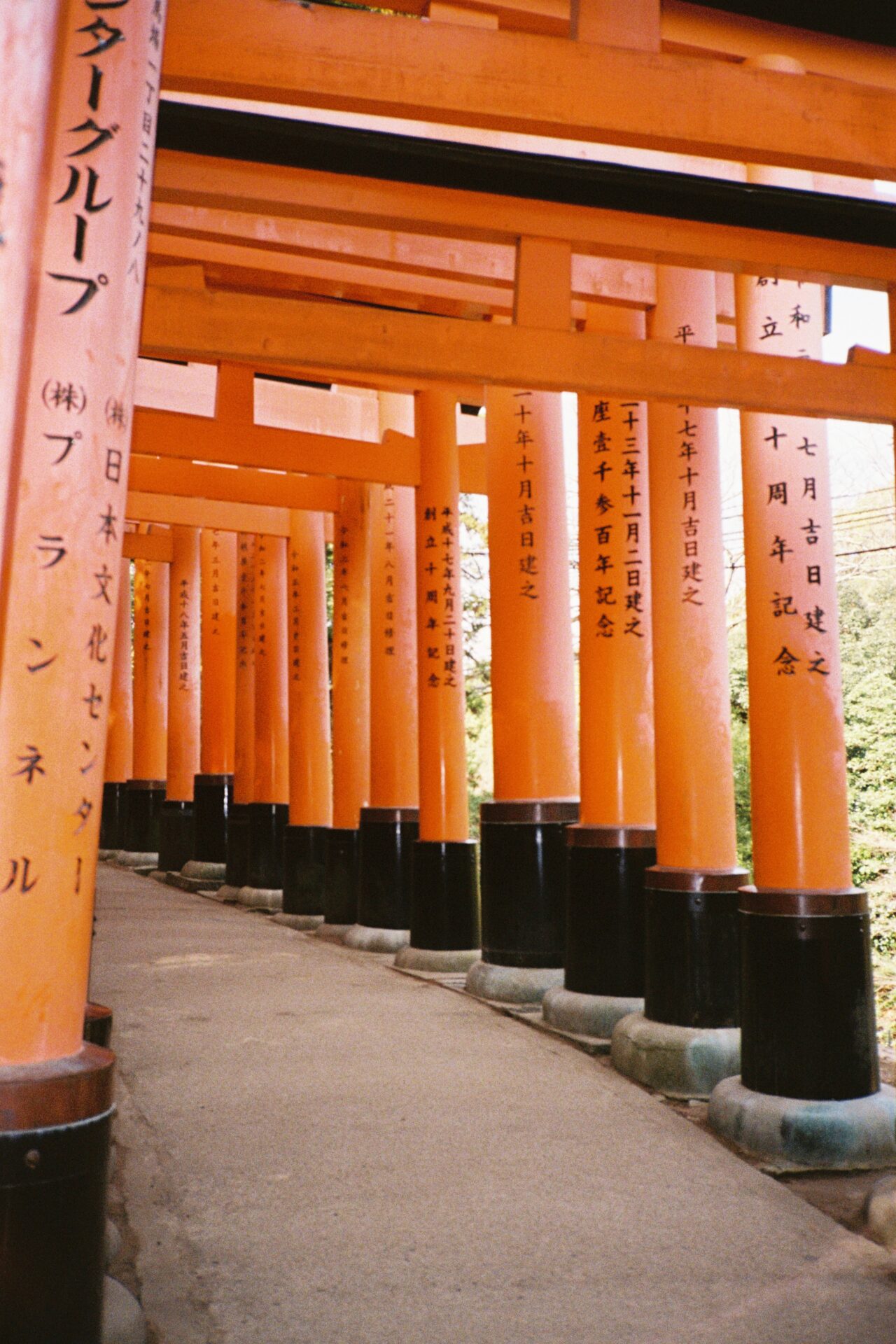
Summer: green, warm, with caveats (June to August)
Summer in Japan is more complicated than the other seasons.
June brings tsuyu – the rainy season – which affects most of the main islands. The rain is not constant, but it is frequent enough that outdoor ceremonies in this window need genuine contingency planning. By late June and into mid July, the rain eases and the country enters proper summer.
July and August are hot. Tokyo and Kyoto in midsummer can be genuinely uncomfortable – humid, oppressive, draining for guests who are not used to the climate. For city weddings during these months, indoor venues become close to essential.
The exception is the highlands and the northern regions. Northern Japan, particularly Hokkaido, is beautiful in summer – cool, green, with lavender fields, lush greenery, and long evenings. Mountain venues in places like Karuizawa, Hakone, or Nagano remain comfortable. Okinawa, with its tropical beaches and clear coastal water, handles summer differently.
For couples who specifically want a summer wedding, the question is less about timing and more about location. Choose the wrong region in August and the day becomes a logistical challenge. Choose the right one, and Japan in summer has a particular green abundance that the other seasons cannot match.
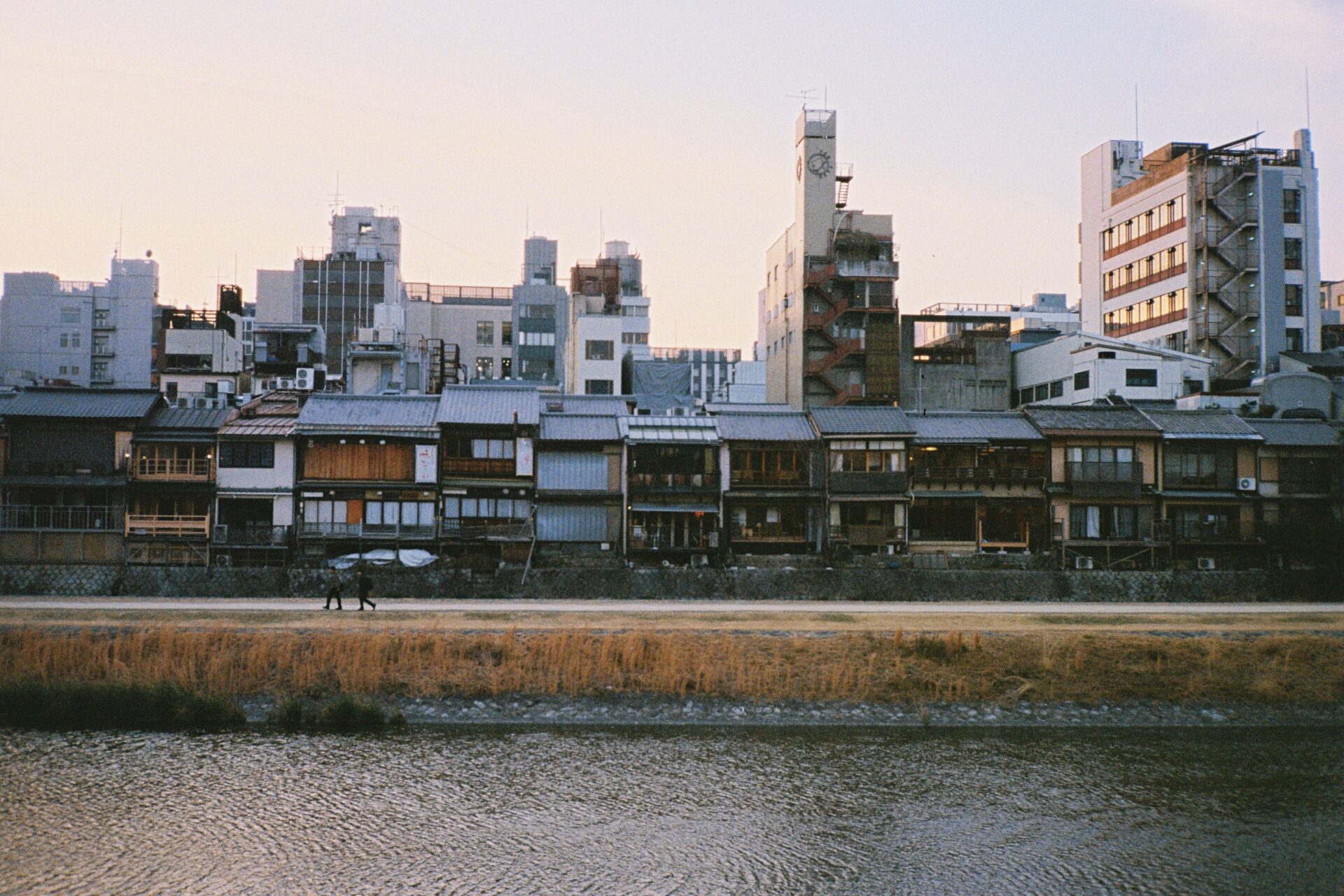
Autumn: the quiet favourite (September to November)
For many couples and many vendors, autumn weddings are the most spectacular version of a Japanese wedding.
The maple leaves – koyo – begin to turn in the north in late September and move southward through October and November. By mid October in many regions, and certainly by mid November in Kyoto, temples and gardens are surrounded by red, orange, and gold. The visual effect is somehow even more striking than the spring blossoms.
The weather is also at its most cooperative. Clear skies, comfortable temperatures, low humidity. Autumn delivers some of the most picturesque settings of the year, with golden light that flatters everything. It is the kind of light that makes ordinary scenes feel composed.
Autumn is also significantly less crowded than the cherry blossom window. Couples seeking fewer tourists and fewer crowds often choose late October or November – they have access to better venues, better dates, and more flexibility than they would in spring, while still receiving one of the most visually rich versions of the country.
One note: September is typhoon season, particularly in the south. These storms are localised, well-forecasted, and rarely a reason to avoid the month entirely – but worth being aware of when planning specific dates.
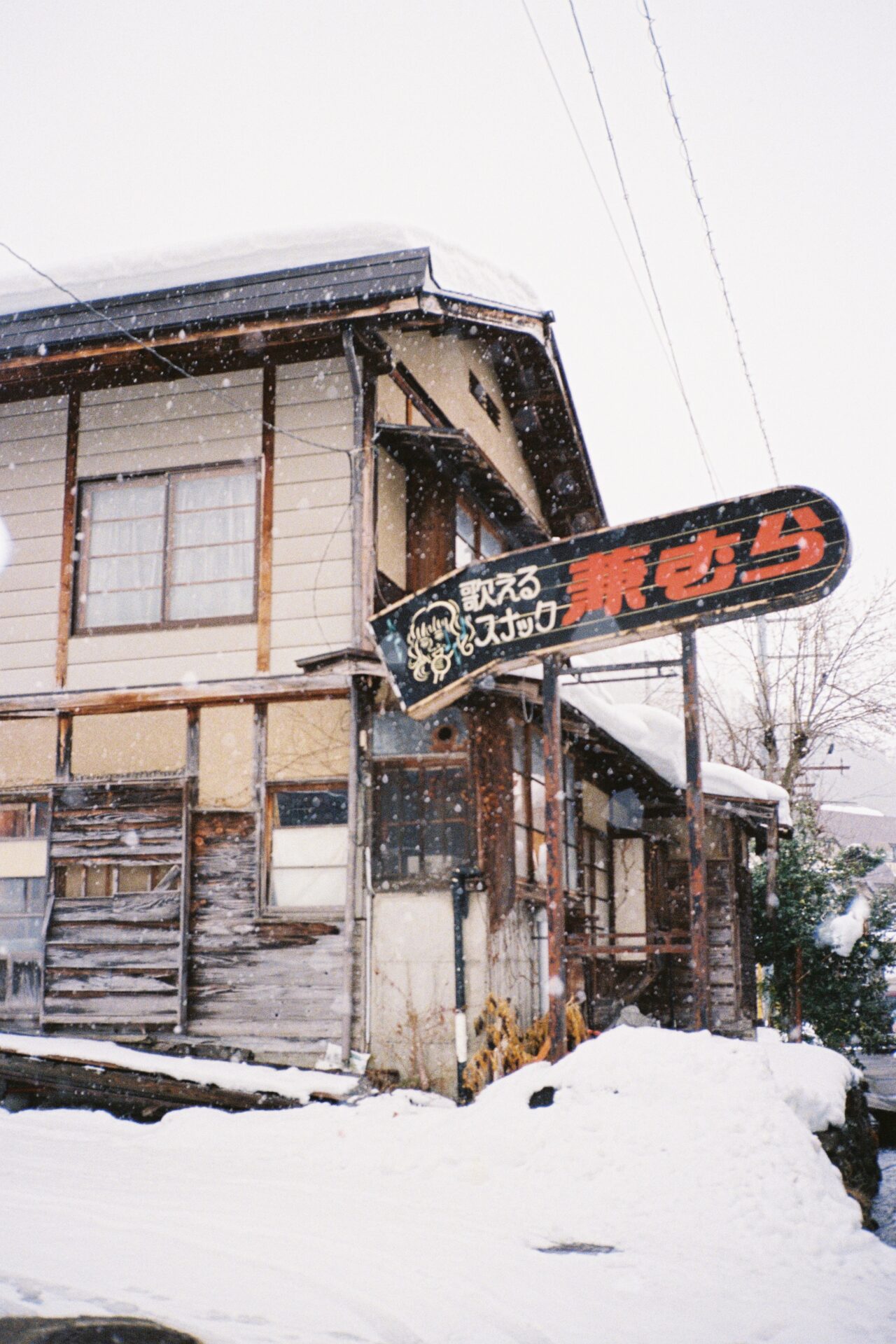
Winter: snow and stillness (December to February)
Winter in Japan is genuinely otherworldly.
Snowy landscapes blanket the shrines of Kyoto and the mountains of Hokkaido. The gardens that look one way in autumn look completely different under a layer of white. Hot springs (onsen) become more than a tourist experience – they become part of the season’s rhythm. Indoor venues, traditional inns, and warm interiors take on a particular kind of intimacy that the warmer months simply cannot offer.
This is the season of snowy romance, and snowy shrines hold a quietness that has to be experienced to be understood. Hokkaido is the winter destination – Niseko, Furano, the lake regions – these places are at their most cinematic from December through February.
The main island can be cold but is rarely difficult to plan around. Tokyo and Kyoto in winter are crisp, clear, and uncrowded. Around Mount Fuji, the views in clear winter weather are at their most striking. The coastal areas, including Okinawa in the south, remain mild.
For couples who want their wedding to feel unlike anyone else’s, a Japanese winter wedding delivers something genuinely rare.
The regions matter more than most realise
One of the most important things to understand about timing in Japan is that the country is long enough, north to south, that climates differ dramatically.
Hokkaido in February is buried in snow. Okinawa in February is in the low twenties, sunny, with clear water. These are not the same country in any meaningful sense, and the right season for a wedding depends entirely on the region you have chosen.
A Tokyo wedding in July is uncomfortable. A Karuizawa wedding in July is beautiful. A Kyoto wedding in late November is unforgettable. A Hokkaido wedding in late November is already deep into snow season.
The country rewards specificity. Pick the region first, then the season – or pick the season first, then the region – but understand that they are linked in a way that they are not in smaller destinations.
The light is the constant
Whatever the season, Japan’s light has a particular quality.
It is cool. Defined. Never harsh. Even at midday, even in summer, the light in Japan has a clarity that flatters more than it punishes. The country sits at a latitude that delivers good light across the year, and Japanese architecture – with its deep eaves, papered screens, and considered window placements – has been designed around this for centuries.
For weddings, whether you envision a traditional Shinto ceremony at a centuries-old shrine, a traditional Japanese ceremony with close family, or an intimate symbolic ceremony in a quiet garden, the light will be working in your favour regardless of when you marry. The only question is what kind of mood you want it to carry. A Shinto priest presiding over a wedding in autumn light is a different experience than the same ceremony in spring – and both are entirely Japan.
Which Japan do you want?
The right time for a wedding in Japan is the season the couple wants to live inside.
Sakura in early April. Maple leaves in November. Snow in February. Green and quiet in mid July, somewhere up in the mountains.
Each delivers a completely different day. None is wrong. The overseas couples who get the most out of Japan are the ones who pick the version of the country they want to remember – and let the timing follow from there.